Silence Over the Tre Cime: Architecture and Endurance in the Dolomites
Published by Editorial Team • Updated Late 2024
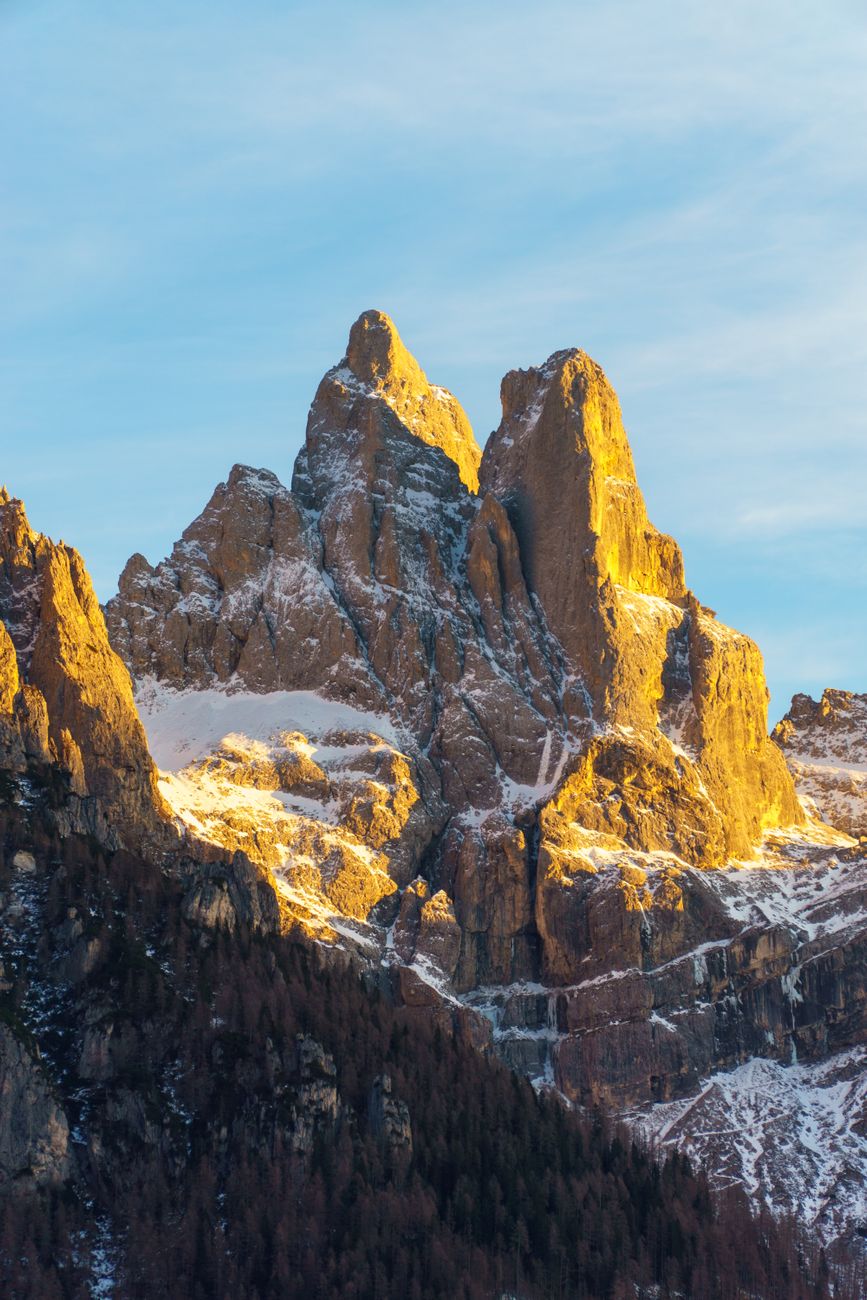
The rock speaks in minerals and wind. At 2,400 meters altitude above the Val di Funes, dusk does not simply arrive; it ignites the vertical dolomite limestone in shades of burnished copper and deep terracotta—a geological spectacle locals refer to as Enrosadira.
For centuries, the Italian Dolomites were regarded as impenetrable barriers. Today, they represent one of the world's most sophisticated experiments in mountain architecture and mindful hospitality. Here, modern rifugi (alpine lodges) eschew rustic clichés in favor of minimalist larch-clad structures powered entirely by renewable solar and mountain hydro energy.
The Philosophy of Alpine Havens
Unlike standard ski resorts, high-elevation refuges demand respect for weather windows. Water is drawn sparingly from glacial runoffs; ingredients are brought up via sustainable cable systems or carried in packs by local herdsmen. When dining on buckwheat polenta and aged mountain cheeses at Rifugio Locatelli, one experiences dining reduced to its most comforting, essential elements.
We walked the crest from Passo Giau to Lake Sorapis over four rigorous days. Along the ridge, the contrast between jagged limestone and lush green pastures offers photographers an endless study in light, scale, and geologic time.