The Rhythm of Morning in Kyoto: Where Centuries Meet Quiet Mist
Published by Editorial Team • Updated Autumn 2024
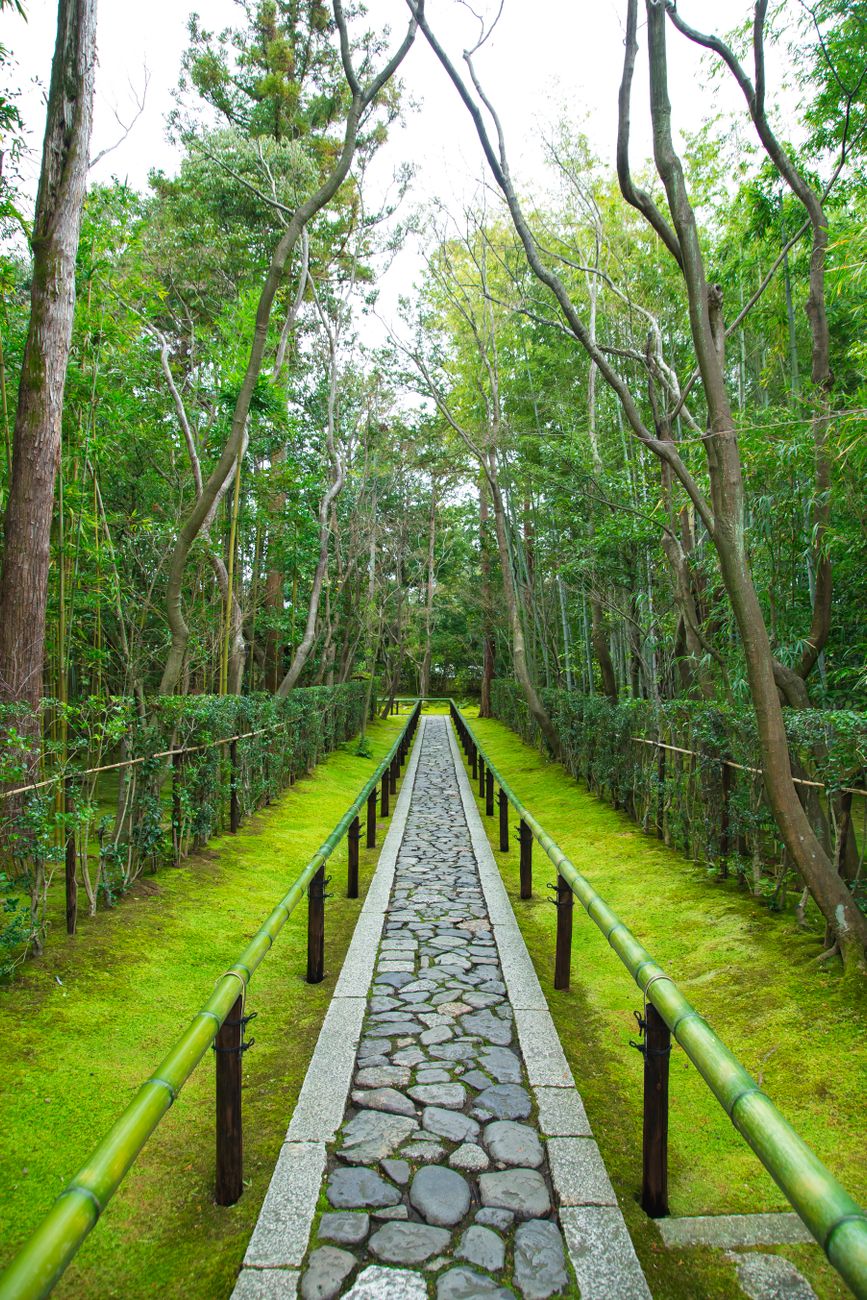
Before dawn breaks above the eastern ridges of Higashiyama, Kyoto belongs not to the guidebooks, but to the gravel sweepers. In the pale blue hour preceding five o'clock, the only cadence resonating across Nanzen-ji is the rhythmic scrape of hand-bound bamboo brooms smoothing out the evening's fallen pine needles.
For the traveler willing to sacrifice a few hours of sleep, this city reveals an entirely different soul. Far from the midday throngs that crowd Ninenzaka, the ancient wooden machiya houses stand silent, their cedar latticework exuding the subtle fragrance of aged timber and rain.
The Geometry of Zen Sanctuaries
Entering the grounds of Daitoku-ji shortly after sunrise is a lesson in negative space. The dry landscape gardens (karesansui) were never designed merely for visual consumption; they are architectural instruments of reflection. Every meticulously raked ridge in the granite gravel represents the flow of unseen water, while the placement of volcanic boulders evokes islands anchored in an infinite sea.
We spent time with Master Keisuke Sato, an eighth-generation lacquer craftsman whose workshop sits tucked behind an unassuming curtain in Nishijin. Over bowls of freshly whisked Uji matcha, he explained that traditional craftsmanship does not fight time; it welcomes patina.
Where to Find Solitude
- Honen-in: Arrive precisely at 6:00 AM when the wooden gate opens to moss-covered stone bridges.
- Kamogawa Riverbanks: Walk north toward Demachiyanagi where elderly locals practice morning calligraphy.
- Arashiyama Backwaters: Skip the primary bamboo grove and head further up into Saga-Toriimoto preservation area.